

AI tools are now part of everyday software development. That part is settled. They’re in editors, browsers, terminals, and team workflows. Some people are doing excellent work with them. Others are moving fast in ways that feel productive but quietly store up problems.
The difference usually isn’t experience level. It’s intent.
This isn’t an argument against AI. It’s an argument for using it with purpose.

Why this conversation matters
Most engineering problems don’t come from a lack of tools. They come from confusion. Unclear goals. Weak understanding. Ownership spread so thin that nobody feels responsible when things go wrong.
AI can help with speed. It can also hide confusion very effectively.
Right now, teams are shipping code faster than ever. At the same time, many are struggling with brittle systems, long debugging sessions, and a growing sense that nobody quite knows how things work end to end. Those two facts are related.

What AI-assisted coding actually is
Used well, AI is a support tool. It helps you move quicker through work you already understand.
It’s good at things like:
- Drafting boilerplate
- Exploring variations of an approach
- Writing tests from known behaviour
- Summarising unfamiliar code so you can get your bearings
The key point is this: the developer is still driving.
You decide the problem. You decide the constraints. You decide what success looks like. The tool helps you get there faster, but it doesn’t decide where “there” is.
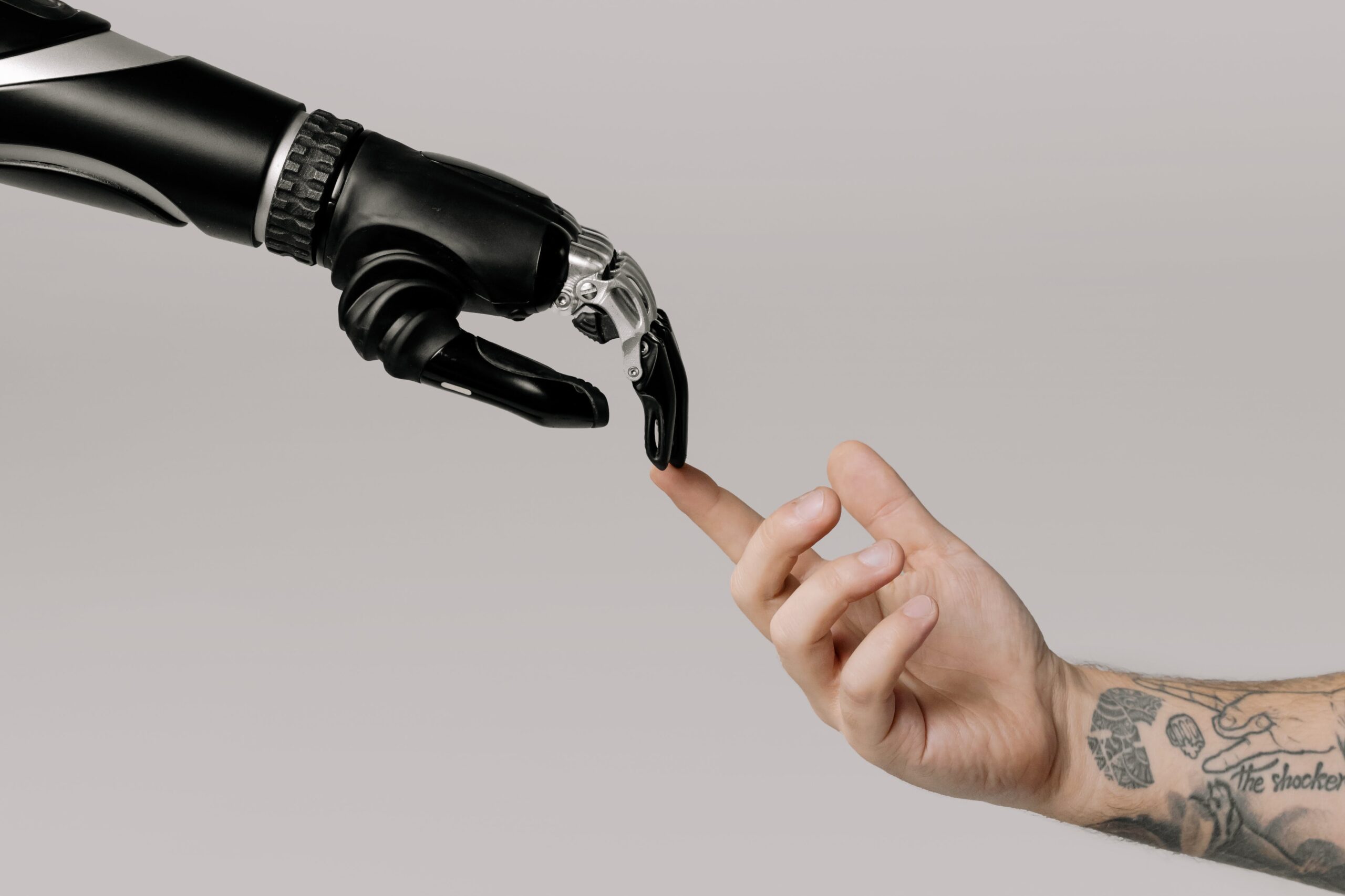
In this mode, AI shortens the distance between thought and execution. It doesn’t replace judgement.
What people mean by “vibe coding”
Vibe coding isn’t really about AI. It’s about behaviour.
It’s the habit of prompting first and thinking later. Accepting output quickly. Stacking changes on top of changes without stopping to understand what’s been produced.
At first, it feels great. Code appears quickly. Files fill up. Features look “done”. Progress feels visible.
The problem is that understanding hasn’t kept pace with output.
When things go wrong, nobody can explain why a decision was made. Only that “the tool suggested it”. Debugging turns into guesswork. Small changes start breaking unrelated things.
“Speed without understanding is borrowed time“.

The real difference: intent and ownership
The real gap between AI-assisted coding and vibe coding is ownership.
With intent, you remain responsible for the result. You question output. You throw things away. You rewrite parts that don’t sit right. You can explain the system to another human without hand-waving.
Without intent, responsibility quietly shifts to the tool. Decisions happen by default. Code exists because it was generated, not because it was chosen.
Production systems don’t care how code was written. They only care whether it works, scales, and can be changed safely later. Ownership can’t be outsourced.

Where vibe coding breaks down
The cracks usually show up later, not at commit time.
Debugging takes longer because the mental model is thin. Edge cases appear because nobody reasoned through them properly. Performance issues surface because the code “looks fine” but does unnecessary work in quiet places.
Teams feel this too. Code reviews get harder because intent isn’t clear. Knowledge sharing drops because fewer people truly understand the system. On-call becomes stressful because fixing issues requires archaeology.
None of this is dramatic. It’s just friction. And friction slows teams down far more than writing code ever speeds them up.

How to use AI well as a developer
Using AI well isn’t complicated, but it does require discipline.
Start with a clear problem before opening the tool. If you can’t explain what you’re trying to achieve in plain language, AI won’t save you time.
Treat output as a draft. Read it. Question it. Change it. Delete parts that don’t fit. Assume it’s slightly wrong by default.
Be careful in areas that matter most. Core logic, critical paths, and unfamiliar systems deserve slow thinking. That’s where understanding pays off later.
And know when not to use it. Sometimes the fastest way through a problem is to think for ten minutes before writing anything at all.

What this means for teams and leaders
At team level, this is less about rules and more about expectations.
AI use shouldn’t be hidden or banned. It should be normal. What matters is that reasoning remains visible. People should be able to explain why something exists and how it works.
Healthy teams reward clarity, not just output. They value engineers who can ship and explain, not just generate.
Long-term speed comes from shared understanding. Tools help, but they don’t create that on their own.

The thing that hasn’t changed
The tools are new. The job isn’t.
We’re still paid to build useful things, understand what we ship, and be accountable for the result. AI can help you move faster in the right direction. It can also help you get lost quicker if you skip the thinking.
“Intent is what makes the difference“.